
Leak detection isn’t one method, it depends on the property, the symptoms, and the type of system involved. At Plumb BMC, we use a combination of proven techniques to accurately locate leaks across underground services, internal pipework, and wet areas.
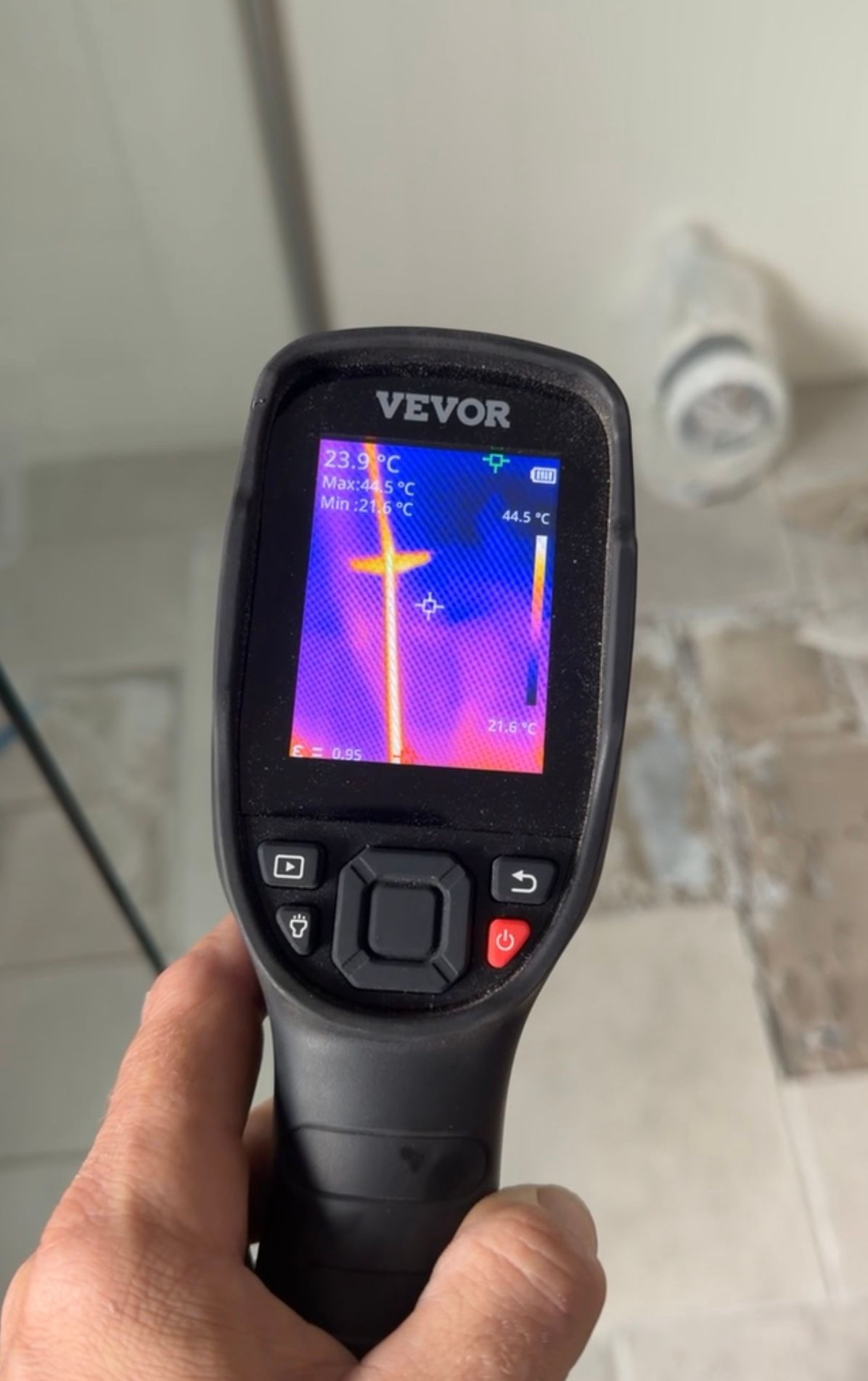
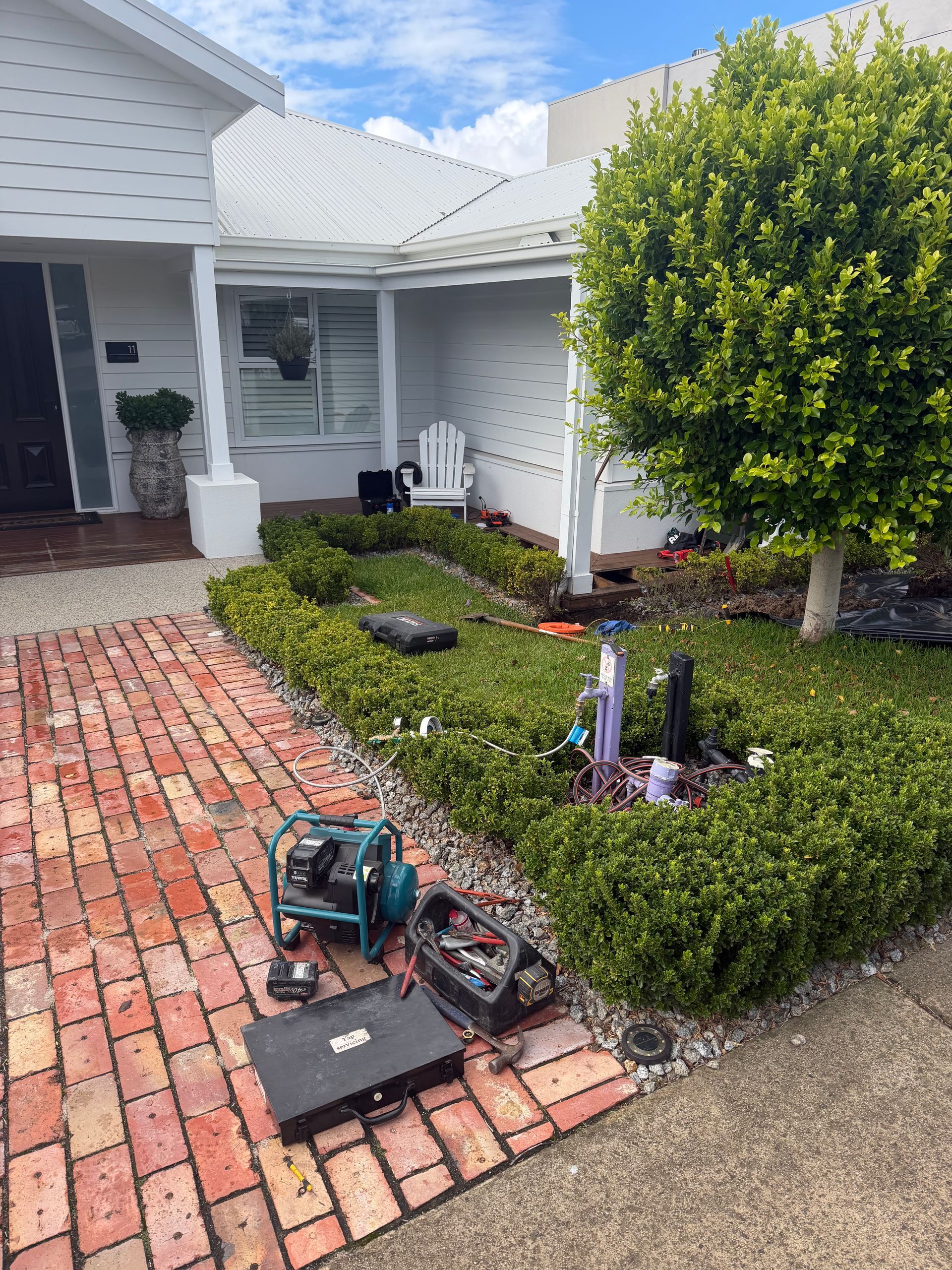
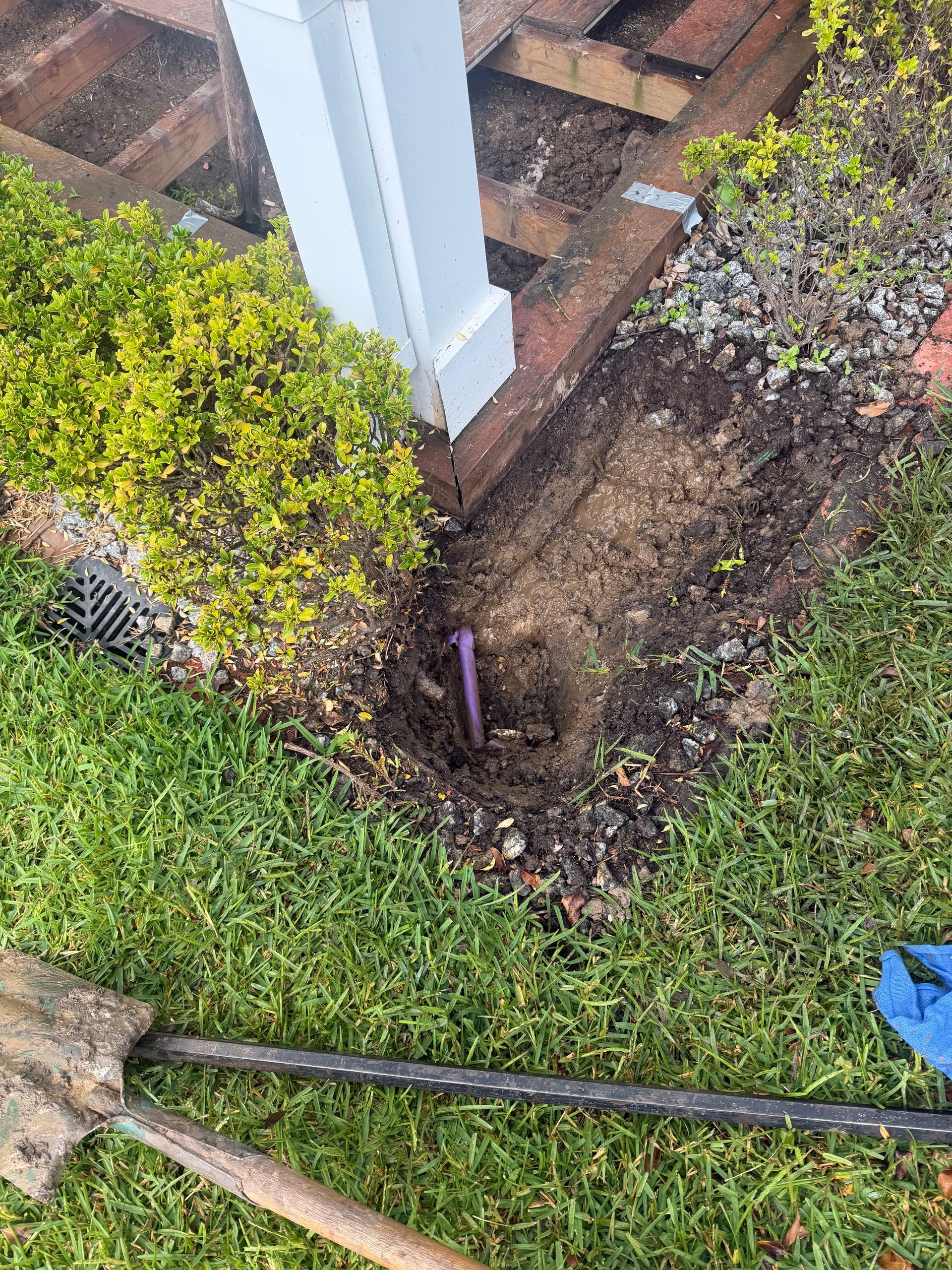
For underground water lines, we use compressed air, tracing equipment and acoustic detection to pinpoint faults. Introducing air into the line helps turn a silent leak into something detectable. In saturated ground, this will often present as bubbles forming at the surface, showing the exact leak location. In dry areas or under concrete, the water service is traced and acoustic equipment is used over the line, with the loudest point identifying the leak.
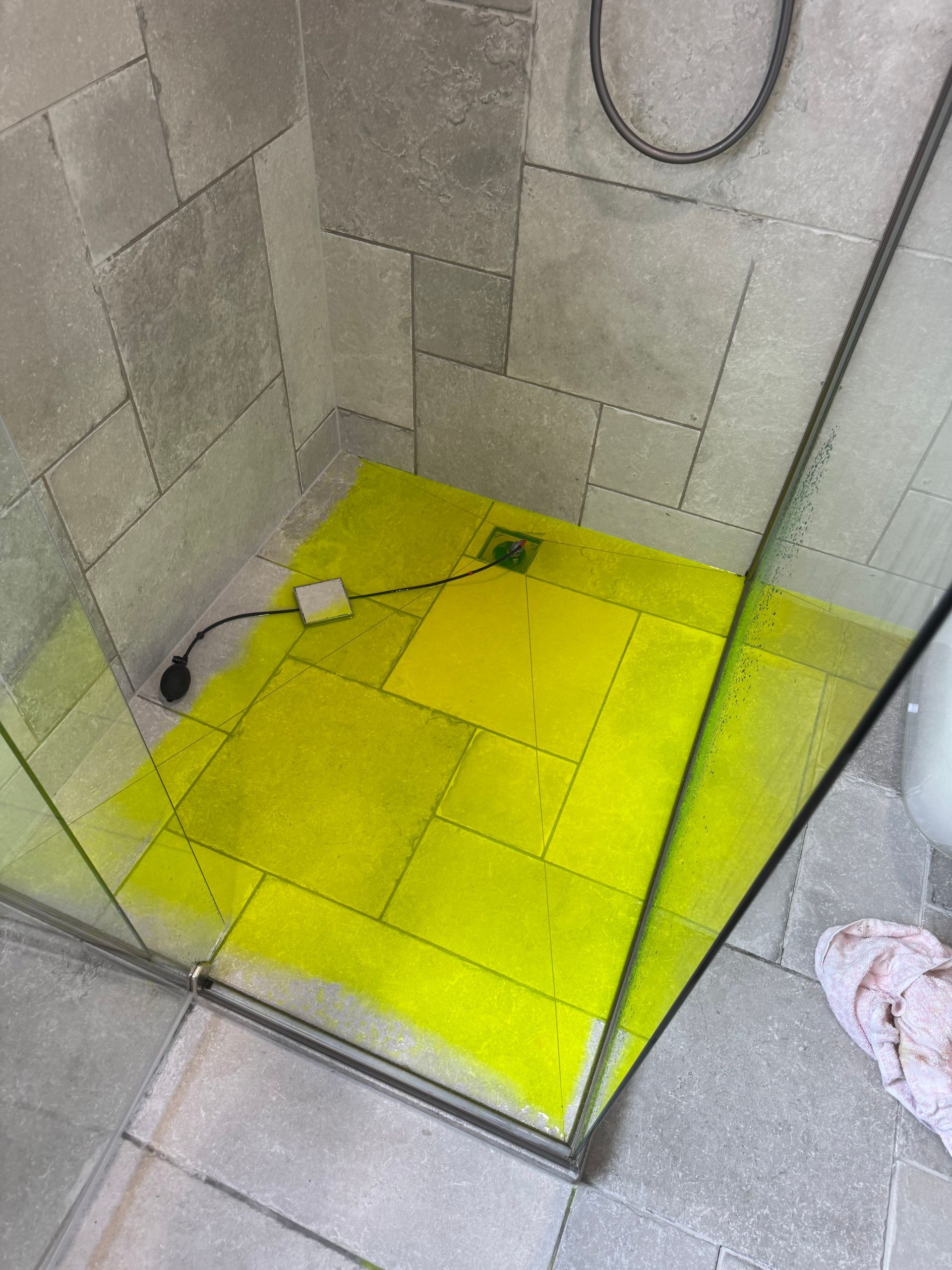
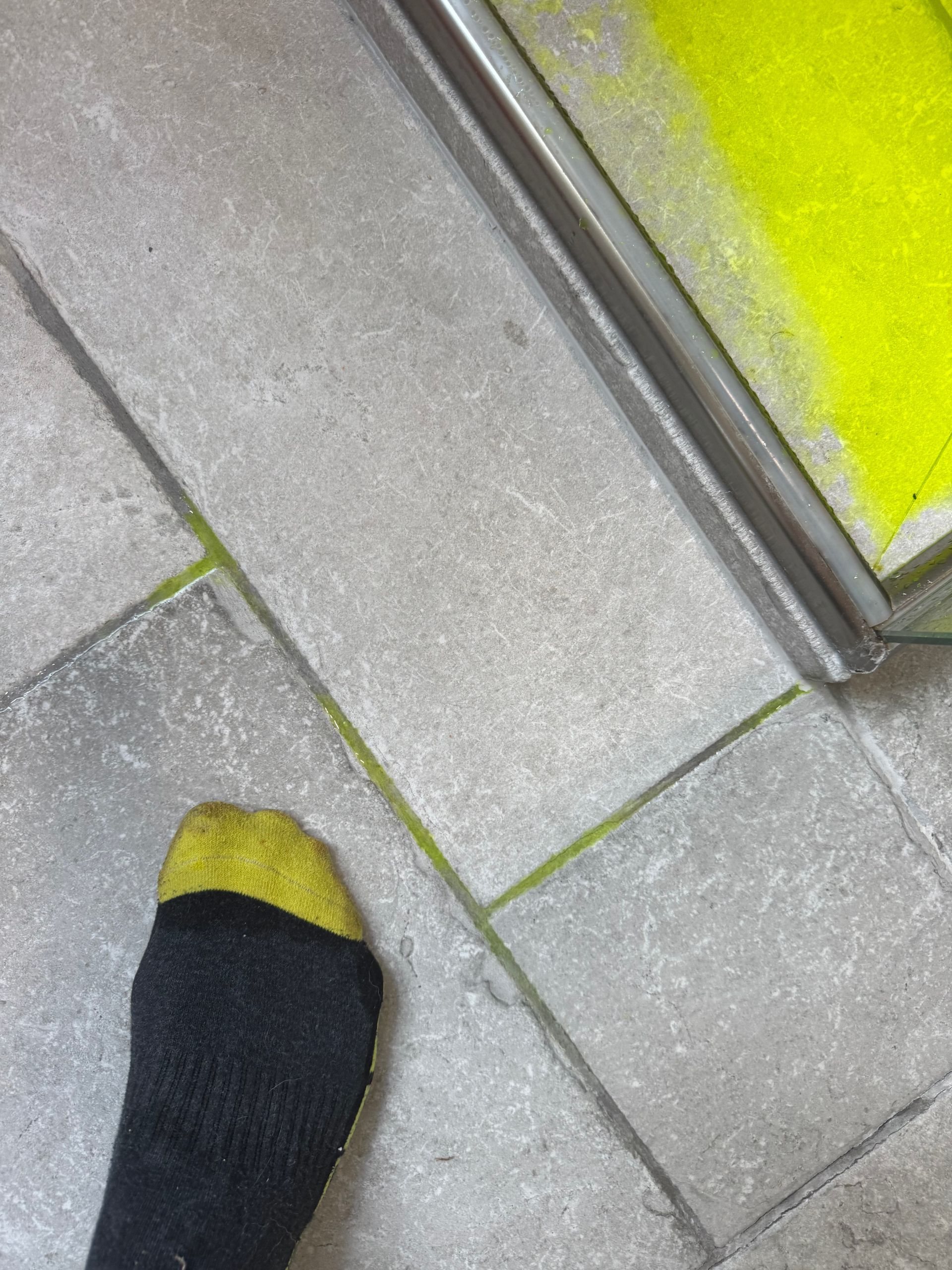
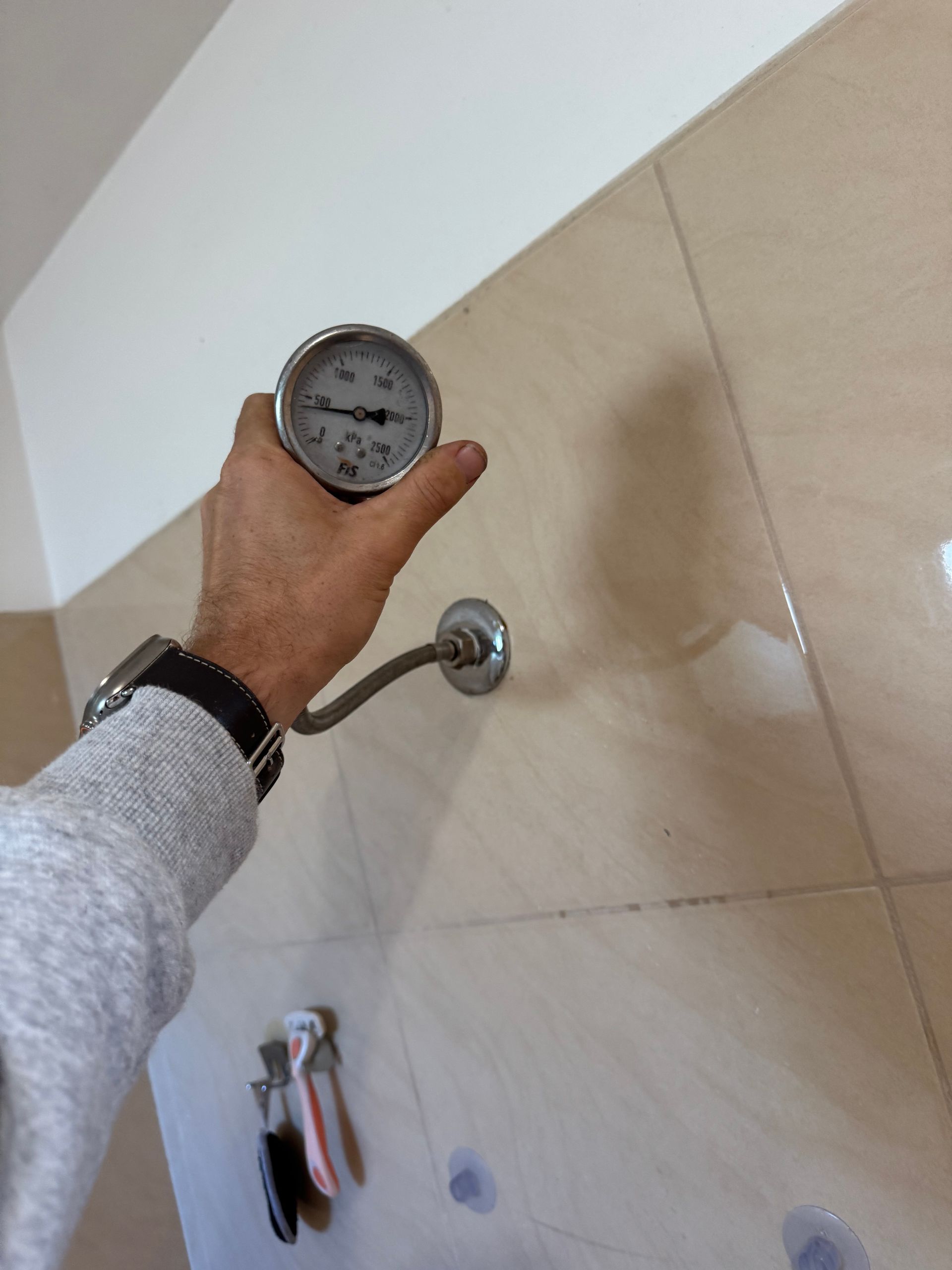
Inside the home, leaks are commonly found in walls and wet areas such as showers. We carry out pressure testing on pipework to confirm leaks within walls, particularly in situations where the issue only occurs when fixtures are in use. For showers, flood testing and dye testing are used to identify waterproofing failures. Water tracking from under tiles is a common indicator of failed grout, silicone, or membrane systems.
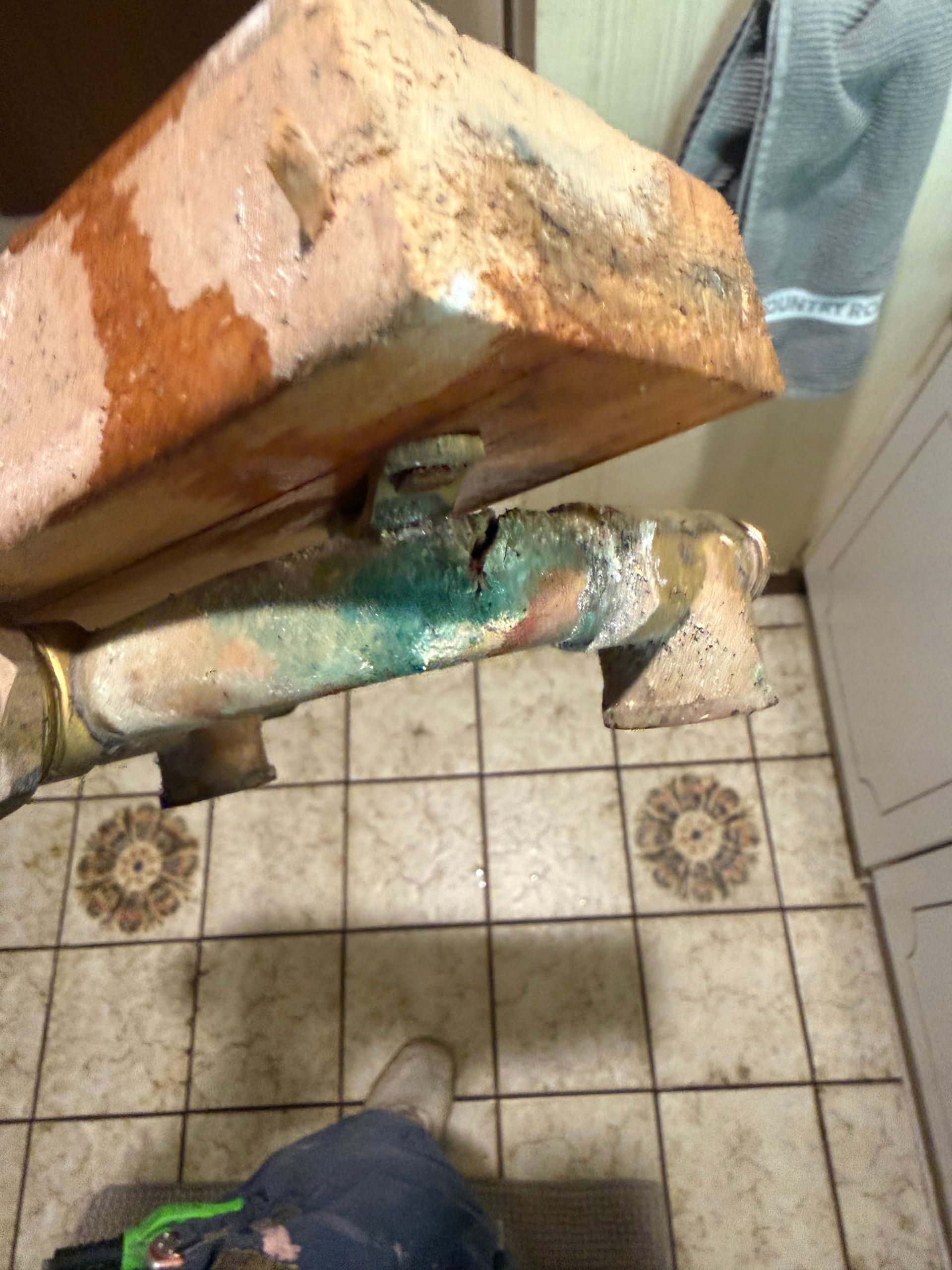
Once the source of the leak is confirmed, targeted access is carried out only where required. Faulty components such as pipework, fittings or shower breeches are repaired or replaced, and all work is tested to ensure the issue has been resolved before closing up.
Our approach is simple, find the exact cause first, then fix it properly. This avoids unnecessary damage, reduces guesswork, and ensures a long-term solution rather than a temporary fix.